











- Details
- Published: 30 January 2026

HOME

NEWS

Search the webpage online: https://www.facebook.com/museu.baleia.madeiraPROJECT SUMMARY
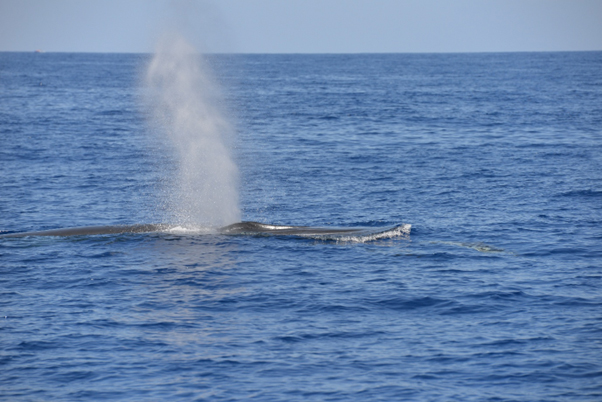
The SIC Cetáceos da Madeira area, which was designated in 2018 under the EU Habitats Directive as part of the Natura 2000 network, is required to report on several criteria similar to those of the MSFD (e.g. trends in abundance, changes in distribution and population parameters, and anthropogenic impacts such as floating marine macro-litter). The area covered by the monitoring campaigns will encompass the entire Madeira Cetaceans SCI. Therefore, the results obtained through this project will serve multiple objectives and be of interest to the competent authorities responsible for reporting to the EU.
Information on the abundance and distribution of floating marine macro-litter will be crucial to better understand the ecosystem’s exposure to this threat, particularly given that many cetacean and turtle species are known to ingest or become entangled in a wide variety of marine debris, which has caused the death of some individuals in Macaronesia.
PROJECT FACT SHEET
CODE
MAR-016.9.1-FEAMPA-00016
TITLE
Monitoring of cetaceans, turtles, and marine litter for the MSFD
MAIN OBJECTIVE
Implementation of “Distance Sampling” survey campaigns (“oceanic habitat”) and biological sampling of loggerhead turtles in the waters of the Madeira Archipelago, for data collection and subsequent analysis to estimate the abundance and distribution of cetaceans, marine reptiles, and floating marine litter, as well as the body condition of loggerhead turtles. These activities will contribute to monitoring programmes on the abundance and demography of cetaceans and marine reptiles and to the monitoring of marine macro-litter at the sea surface, within the framework of the Marine Strategy Framework Directive (MSFD).
TOTAL COST
€ 233 837.44
PARTNER COST
€ 233 837.44
ELIGIBLE COST
€ 233 837.44
CO-FINANCING
70% by the European Maritime, Fisheries and Aquaculture Fund (EMFAF)

SPECIFIC OBJECTIVES AND JUSTIFICATION
Specific Objectives
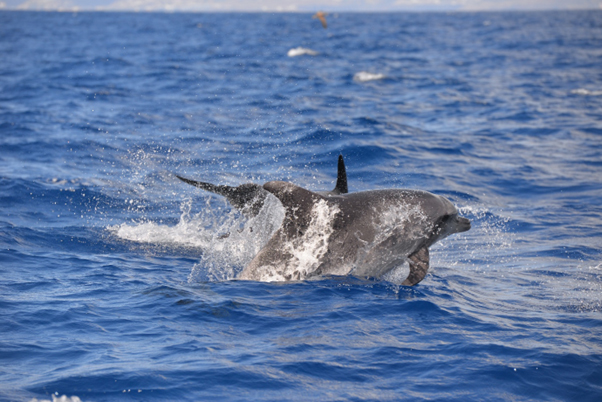
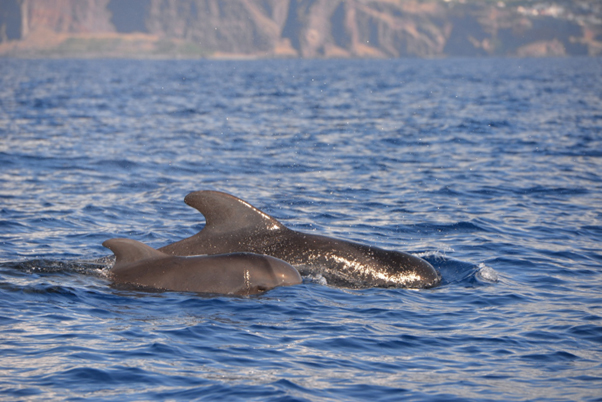
O.1.1. Offshore survey campaigns for data collection to ensure continuity of the time series (2007–2012 and 2017–2018) for monitoring the abundance and distribution (criteria: D1C2 – population abundance; D1C4 – distribution) of cetacean species management units defined by the Mistic Seas project (common bottlenose dolphin Tursiops truncatus, Atlantic spotted dolphin Stenella frontalis, common dolphin Delphinus delphis, short-finned pilot whale Globicephala macrorhynchus, and Bryde’s whale Balaenoptera edeni), using in situ sampling and the approach/methodology defined in the monitoring programme PT-AMA-MO-D1-MM-ST for oceanic habitats (DGRM, 2021);
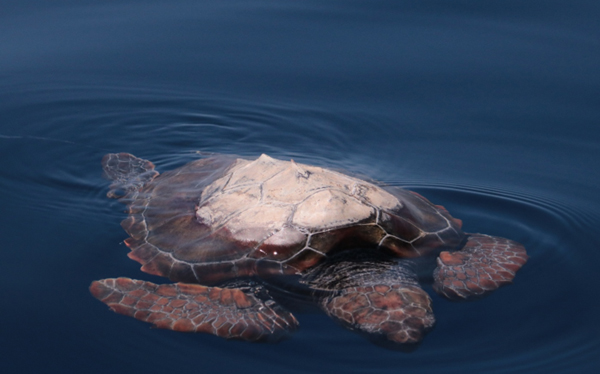
O.1.2. Offshore survey campaigns for data collection to ensure continuity of the time series (2001–2002; 2007–2009; 2010–2012; 2017–2018) for monitoring the abundance and distribution (criteria: D1C2 – population abundance; D1C4 – distribution) of the loggerhead turtle (Caretta caretta) management unit defined by the Mistic Seas project, using in situ sampling and the approach and methodology defined in the monitoring programme PT-AMA-MO-D1-MM-ST for oceanic habitats (DGRM, 2021);
O.1.3. Offshore survey campaigns to ensure continuity of the time series (2001–2002; 2007–2009; 2010–2012; 2017–2018) for monitoring the abundance and distribution of marine macro-litter at the sea surface (criterion D10C1 – composition, amount, and spatial distribution), using in situ sampling and the “distance sampling” approach and methodology, in line with the monitoring programme PT-AMA-MO-D10-MACROWC;
O.2. Coastal marine survey campaigns for biological sampling of loggerhead turtles to obtain data on animal size and weight in order to estimate the Body Condition Index (BCI) (criterion: D1C3 – demographic characteristics), and for the collection of genetic samples, using in situ sampling and the approach/methodology defined in the monitoring programme PT-AMA-MO-D1-MM-ST for coastal habitats (DGRM, 2021).
O.3. Data analysis and preparation of a report with the results, relevant for the assessment of Environmental Status (Descriptors D1 and D10) of the marine environment in the 4th assessment cycle of the MSFD.RATIONALE / PROJECT JUSTIFICATION
Within the framework of reducing negative impacts and/or contributing to positive impacts on the marine environment and to Good Environmental Status, this project promotes actions to track the evolution of the marine environment’s Good Environmental Status through the collection of data and information that allow the assessment of the impacts of anthropogenic pressures and of the measures adopted.ACTIONS
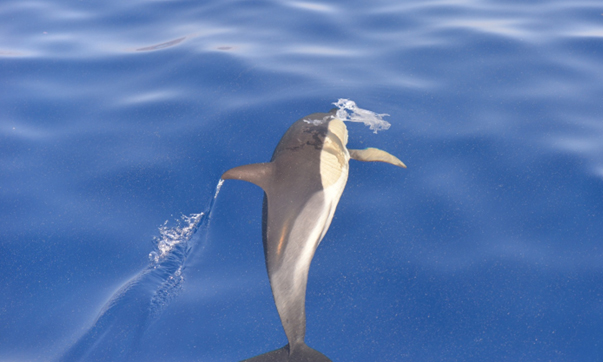
A.1.1. The preparation of the sampling campaigns includes the acquisition of equipment, contracting of services (e.g. vessel charter for sampling activities), recruitment of human resources, preparation of field protocols, and training of observers.
A2 – Implementation of sampling campaigns
A.2.1. It is planned to carry out between 40 and 48 days of offshore and coastal survey campaigns to cover the waters surrounding the Madeira Archipelago (4 to 6 days per quarter) over a two-year period, in order to collect all the data required to meet the project objectives. These campaigns will cover all sectors sampled in previous surveys (2001–2002; 2007–2009; 2010–2012; 2017–2018), ensuring the comparability of results. A minimum of five experienced observers will be required for the survey campaigns, and they will be involved in campaign preparation, fieldwork implementation, and data organisation and processing. In addition to the survey campaigns, regular observer training sessions will be conducted to ensure higher-quality and more reliable data.
A.2.2. The collection of loggerhead turtle samples will be carried out in combination with survey campaigns conducted under the MARVEL project, scheduled to take place between 2025 and 2027. Therefore, under this application, only human resources (one technician) to participate in the project’s sea surveys for turtle collection and sampling are considered. No costs related to vessel operation or sampling equipment required during the MARVEL project campaigns are included. It is planned to sample between 8 and 12 individuals during the campaigns.
A3 – Data processing, analysis, and reporting
A.3.1. Data collected each quarter will be organised, processed, and validated during the same quarter or the following one, in order to ensure that an initial data analysis is carried out within the final two months of the project’s duration.EXPECTED RESULTS
RE.1.1. Estimates of abundance and distribution of the project’s target species.
RE.1.2. Assessment of the Environmental Status of functional groups (cetaceans and loggerhead turtles).
RE.1.3. Composition and trends in the abundance of floating marine macro-litter.